
The evolution of PROPAGANDA
HISTORY • POWER • CONTROL • HISTORY • POWER • CONTROL • HISTORY • POWER • CONTROL • HISTORY • POWER • CONTROL
THE ARCHITECTURE OF BELIEF
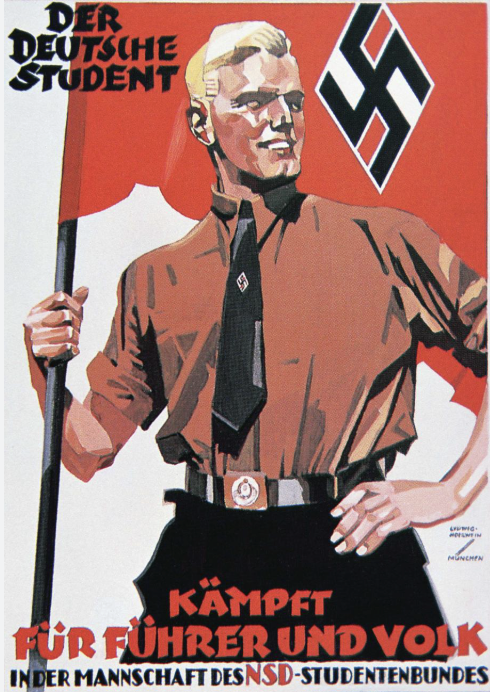
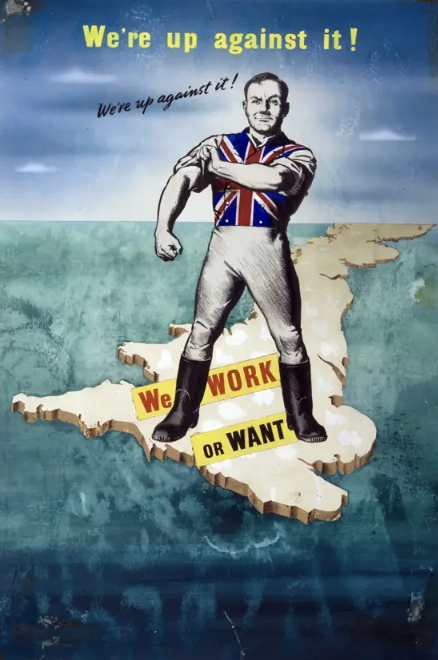
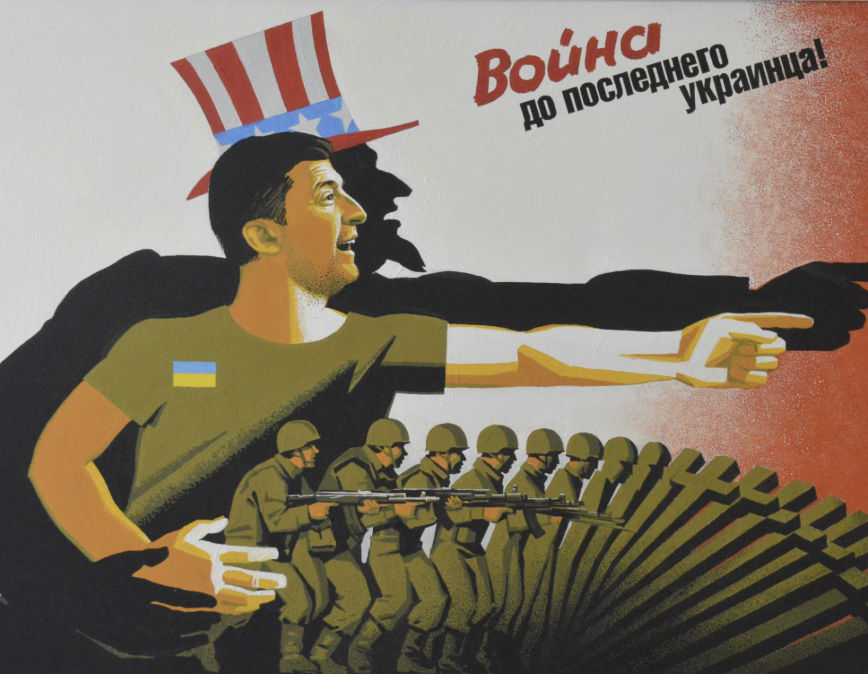
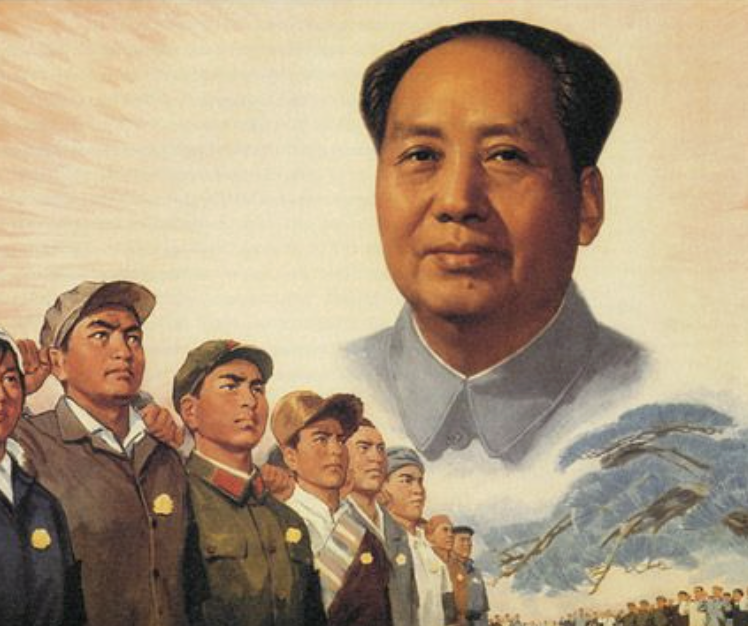
Propaganda is a mode of communication that has existed for centuries and has effectively influenced public thought and politics. Historically, propaganda was most commonly distributed in the forms of wartime posters featuring nationalist slogans perpetuated by authoritarian governments controlling the press. With the historical imagery of propaganda often getting written off as extreme ideology, propaganda seems easily identifiable and distant in the modern day. However, it is still very prevalent and has continuously become so subtle that the line between plain information and propaganda has become increasingly distorted or even invisible. Instead of relying on overt messaging, propaganda in the modern day thrives off of being indistinguishable from ordinary information. Consequently, audiences have become less aware of the fact that the media they are consuming is in fact propaganda.

Propaganda Through the Ages



Techniques
Bandwagon
Encourages adoption of a belief or action because "everyone else is doing it," exploiting the desire to fit in.
Utilizing fear, hope, or outrage to bypass rational thought and create immediate, visceral reactions that override logic.
Assertion
Presents a bold statement as fact without evidence or justification.
Appealing to the collective desire for belonging by suggesting that if everyone is doing it, it must be right.
Namecalling
Uses derogatory or pejorative labels to create prejudice against a person or idea
.
The strategic distortion of facts or the creation of entirely false narratives to serve a specific political or social agenda.
False Dilemma
Limits options to only two choices: one clearly favorable and one disastrous
The use of vague, positive-sounding terms like 'freedom' or 'justice' to create a sense of moral superiority without specifics.
TEST YOUR PERCEPTION
Engage with historical case studies and identify the psychological mechanisms at play. Challenge your assumptions and sharpen your critical lens through these provocative exercises.
Which technique is most effective in creating a false sense of urgency?
- Appeal to emotion
- Bandwagon effect
- Scarcity principle
- Transfer